Breaking the Cycle: How Anticipatory Anxiety Sabotages Our Lives
28/05/24

"...and then every day I go to bed with all these negative thoughts in my head and I toss and turn for hours. This has been going on for weeks now. I really need a good night's sleep. Of course I'm always tired during the day. Every evening, I dread turning off the light. I know I won't be able to sleep again!“
It's a classic vicious cycle that my client describes. Sleep specialists call this psychophysiological or learned insomnia: After a few bad nights, an internal pressure to perform starts to arise ("I really have to sleep now!"), and the associated tension naturally makes you lie wide awake in bed - again. If this happens several times in a row, something builds up that psychologists call anticipatory anxiety - nicely illustrated in my client's story above. You expect the worst to happen for sure. Continue reading ...
Healthy stress: why a little pressure is actually good for us
13/02/24

What would you say - which factors are particularly important for a long, healthy and happy life? Firstly, a healthy diet, then enough sleep, and I'm sure you would also list sport or at least regular exercise, wouldn't you? Perhaps, on the contrary, you would also advise against some things that are generally considered harmful to health: Alcohol, nicotine and other stimulants, for example. You would almost certainly also cite stress as unhealthy in this context. Many health apostles consider it to be the ultimate cause of illness, obesity and unhappiness. But is that even true?
Continue reading ...
Scented memories: How odours shape our feelings and memories
07/02/24

If I were to ask you what your favourite colour is right now, you would probably have an answer at the ready. But have you ever thought about what your personal favourite fragrance is? If not, now is the time to do so. Because today we're going to talk about odours and their influence on our psyche. Continue reading ...
Even more tips to fight your Seasonal Affective Disorder
24/10/13

As every year during these weeks search requests for our blog article on the subject Seasonal Affective Disorder are beginning to pile up. No wonder: Summer is clearly a thing of the past, fall and winter with their long, dark nights and unfortunately also frequent bleary days await. The nights are already uncomfortably cool. During these months the inherent light deficiency affects the emotional state of many. Studies show that during fall and winter many people complain about depressions, lack of energy and a ravenous appetite for something sweet. Psychologists describe this seasonal dependent depressive mood as SAD – seasonal affective disorder. As we face the threat of the blahs during the dark-cold season it is now high time to fight them with a few new tips from us!
Continue reading ...
Dreams, nightmares and their meaning
12/07/13

Dreams - a subject that my clients often bring up in the course of their therapy hours with me. “I dreamt this or that – what does it mean?” – “I always keep having the same dream, what is it telling me?” Those and others are the questions on this subject. Dreams are by their nature an interesting subject and not just as they relate to psychotherapy. Many people wonder about the meaning of their dreams and many researchers have of course already literally forever dealt with the subject of sleep and dreams.
Continue reading ...
Why women suffer from a distorted self-image
14/06/13
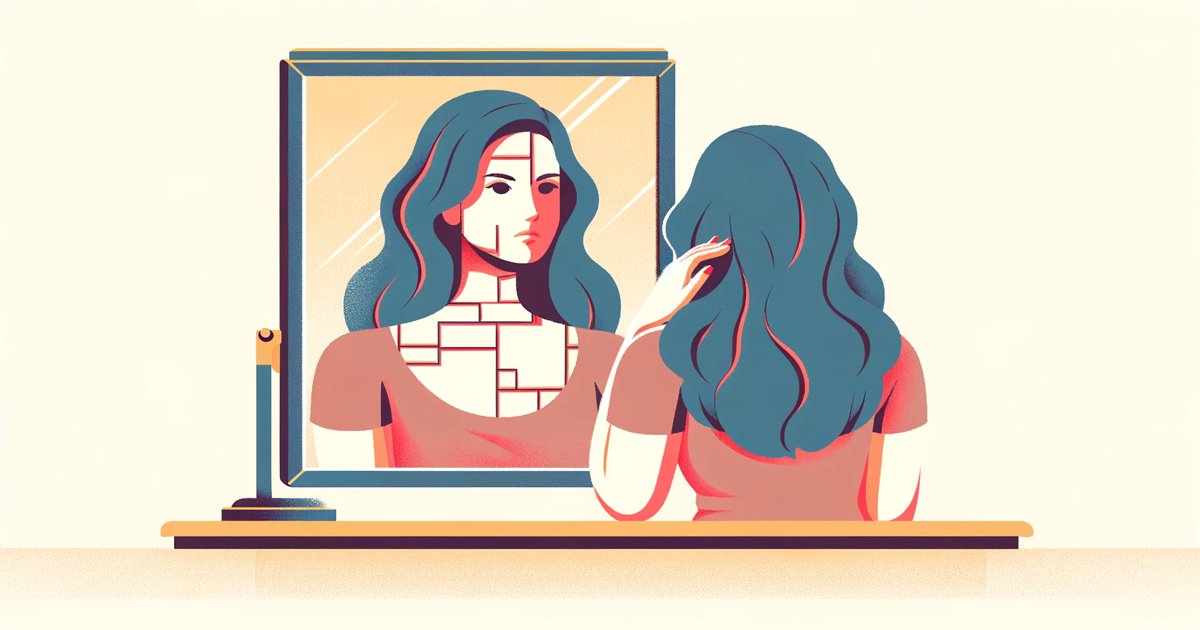
It’s been a while since I wrote the last time about the subject “Blind spot” here on iPersonic. That subject occurred to me yesterday for very personal reasons. As happens occasionally to all of us, yesterday I had obviously gotten up on the wrong side of the bed. With a few things very much on my mind I had not slept all that well. So, while brushing my teeth and already in a mousy mood, I dismayed to be “confronted” by my reflection in the mirror above the sink. Bags under the eyes, clearly lots more wrinkles than yesterday and then that strange new liver spot right next to my nose – could that possibly be the forerunner of senile freckles? And then I made the dumbest strategic mistake any woman can possibly commit in a situation such as this – I stepped on the scale! That pretty much did it for the day. I was tempted to go right back to bed. My already lousy mood hit bottom and established itself there for good.
Continue reading ...
Children need Fairy Tales – a Plea for Santa
22/12/12

I recently had a conversation with a dear friend and colleague with the propensity to second-guess herself. The occasion was this year’s December 6th – traditionally her family’s day to celebrate Saint Nicklaus Day with friends. On those occasions, my friend’s neighbor appeared as Santa to both her children (who are eight and six years old, by the way). The older son grew increasingly suspicious because it had occurred to him that the neighbor always showed up late because something urgent had come up and therefore he “missed” Santa’s visit. “I bet there is no Santa Claus, that is probably Christian from next door”, he self-importantly told his little sister.
Continue reading ...
13 new Tips to beat the threatening Seasonal Affective Disorder
29/11/12

On the occasion of the first days of November - giving us the first serious beginning of winter in Germany! – I have yet a few more tips designed to help you face the blues brought on by the cold outside! Below you’ll find an entire assortment of new suggestions for making the best of autumn. (It goes without saying that the tips in my previous article on the subject “autumn” remain valid – fortunately something like that won’t expire).
Continue reading ...
Animals as Therapists: how Cats, Dogs and Co. benefit the Soul
02/11/12

I admit: I am biased. Animals have always played a predominant role in my own life. I could not even imagine my life without at least one cat being with me. One of the reasons may well be that I occasionally resort to four-legged assistants when working with clients when the occasion arises – and usually with decidedly positive results.
Continue reading ...
13 Tips for Fighting Seasonal Affective Disorder
21/10/12

Well, there is no denying it any longer: Fall is upon us. It officially began on September 22th (an astronomical perspective). The days are already beginning to be noticeably shorter. The first trees are starting to change color and although the days are often still comfortably warm and sunny, the nights are already cool. As the pop group A-ha used to sing: “summer moved on”.
Continue reading ...
Women and Depression
03/09/12
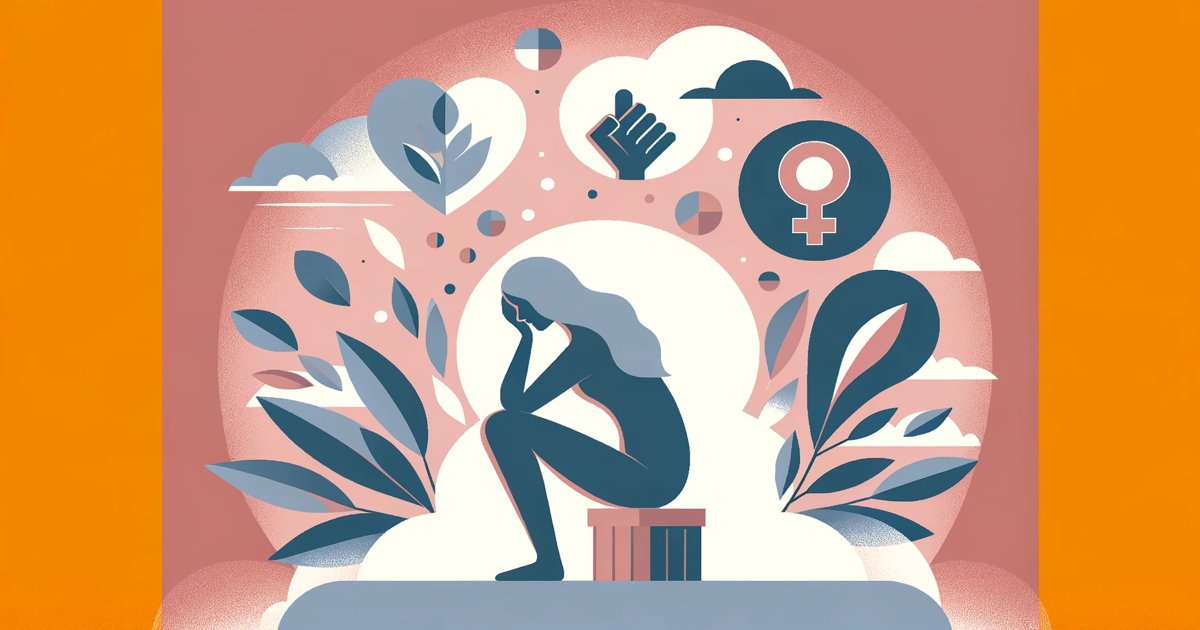
In its September issue the German periodical “Psychologie Heute” features a very interesting excerpt of the latest book by Ursula Nuber. It's called: “The relationship syndrome – why women become depressive and men are not really at fault.” The fact that worldwide twice as many women than men suffer from depression has been known for a long time. Experts have speculated about the possible causes for this unequal distribution among the genders for almost as long. Subject of discussions is women’s greater disposition of discussing psychological problems (and thus they are more likely to be diagnosed as being depressive), hormonal irregularities (catch-word PMS or Menopause) and also women’s more frequent inclination of questioning themselves and then getting caught up in unproductive brooding-loops. All of it correct and plausible but I believe that the explanation presented by Ursula Nuber’s approach in her book is actually a lot more exciting: namely women’s stronger relationship orientation as a stress- (and in the long-term depression) trigger.
Continue reading ...
Communication Skills Part 2: Pay Attention, catch the Meaning!
25/06/12

Do you remember the first blog entry about communication skills? You may have already figured out with which one of the four “ears” you hear best? Or which of the four aspects are pivotal, when you “send” a message yourself?
Continue reading ...
My Blind Spot - The Difference between Self-Awareness and External Perception
08/03/12
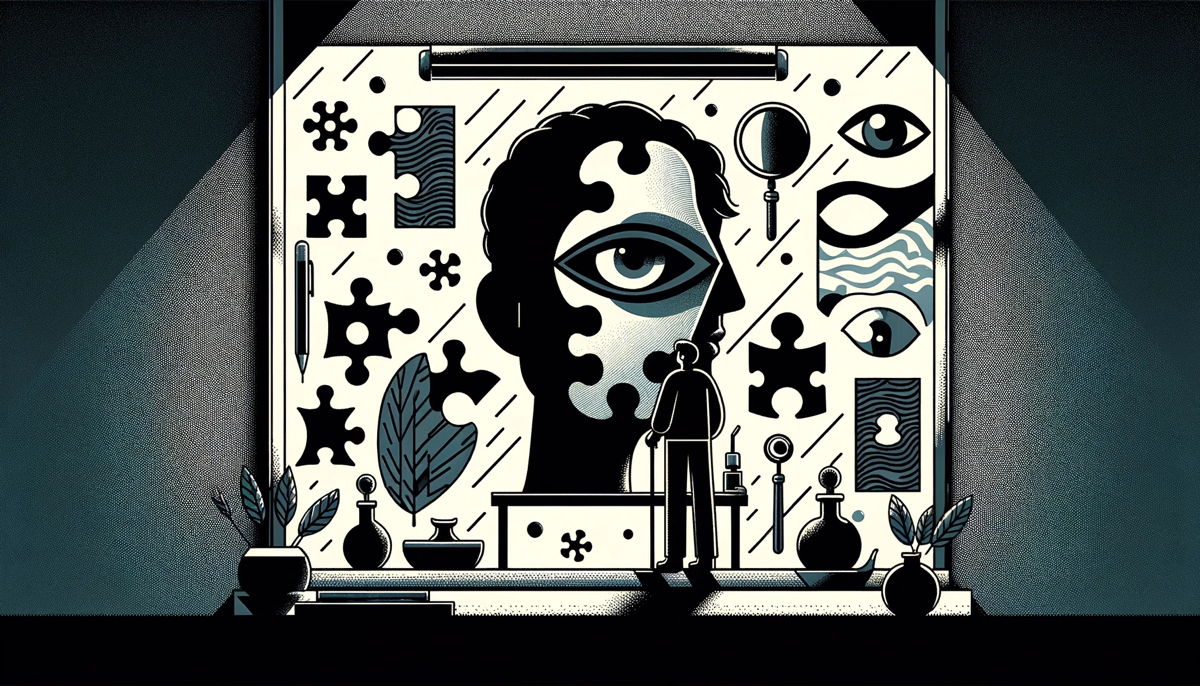
iPersonic continuously deals with the question of one’s own personality and identity and how we see others and ourselves. This represents the intriguing question as to how much and to what extent we are even capable of truly assessing ourselves. Where do we see ourselves as we actually are and how others perceive us? And where may we possibly even be incapable to see ourselves as we really are?
Continue reading ...
A Word about Panic Attacks and Anxiety Disorders
25/01/12
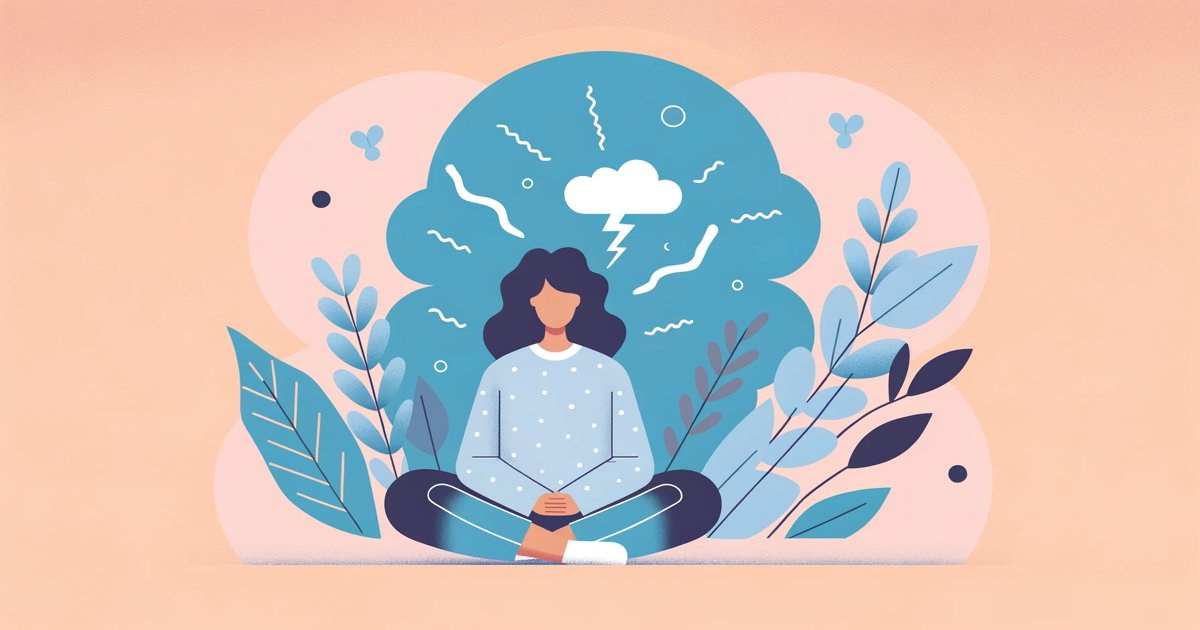
A subject that I have not yet (to my very own surprise) discussed in this blog: anxiety disorders. Something that frequently surprises me personally is the fact that this psychological disorder is during a patient’s first visit to his/her physician frequently not at all or incorrectly diagnosed. Instead, patients are very often handed antidepressants – or if it happens to be a homeopathically inclined physician – treatment with St. Johns Wort or something similar is then recommended. At first I thought this was a random phenomena in my practice but according to what I have been reading that is apparently not the case. In the course of a study a professor for psychosomatics at Witten University determined that it usually takes seven (!!) years for this disorder to be properly treated – and – even more bewildering to me – that “even psychiatrists prefer diagnosing a depression as anxiety disorder.” It is a fact that anxiety disorders are the most prevalent psychological disorders of women and that at one point or the other in their lives 15% of all Germans are diagnosed with an anxiety disorder and I have decided that it is high time for me to post a few blog contributions on the subject! Continue reading ...
Gratitude is a key to happiness
23/09/10

On the first weekend of October most German religious communities again will celebrate Thanksgiving. (In the USA it is not celebrated until the end of November although the basic idea is quite similar.) Here in the rural area where we live as well as in the cities people are doing their very best to decorate church sanctuaries with fruit, vegetables and flowers. In my opinion it represents a wonderful tradition because at least once a year it breaks with this matter of course habit of our, usually thoughtless daily excursions to super markets and stores. We are rarely aware that compared to the rest of the world, we are magnificently provided for. Continue reading ...
How problems can make you feel happy
06/09/10

Yes, you read correctly: Problems will make you happy! In psychological research something that looks like a contradiction at first glance, turns out to be a simple but important truth. Because, whoever is never confronted with obstacles or difficulties also never gets a chance at a very important happiness component: The sense of having faced and mastered a challenge.
Continue reading ...
Salutogenesis: Why it is healthy to give your life meaning
24/08/10

The word salutogenesis is composed of the Latin word salus (= inviolacy, happiness) and the Greek word genesis (= origin). Thus it stands for the origin of health and was coined in the 70s by the Israeli-American medical sociologist Aaron Antonovsky. Antonovsky was looking for an explanation for his observation that, while many Holocaust survivors were suffering from severe after effects (physical and emotional illnesses), others did not show any such symptoms, at all. He intended to find out, which factors determined whether a person would cope with the same traumatic experiences more easily or with more difficulty than another. Therefore he was interested in the origin (or retention) of health – even under difficult and stressful conditions. Continue reading ...
How to fight procrastination
21/07/09

Whatever you can do today can surely be put off till the day after tomorrow as well … or something like that. Who of us is not familiar with that thought and especially where it concerns something unpleasant, tedious or boring or, to make matters worse, if there are a lot more titillating alternatives begging for our attention. Not a problem if it happens occasionally, just as long as it does not get to be the rule. On the other hand, there are people with whom putting things off has become chronic and in extreme cases manages to mess up their entire life. The technical term for the tendency to continuously postpone things is procrastination; there are folks who actually have to be treated with psychotherapy because they just can’t manage to begin or complete their tasks on time. In those cases writing a dissertation can take years…
Continue reading ...
Dealing with negative thoughts (Self Confidence, Part 2)
02/06/09

Give your feeling of self worth a new, positive direction by interrupting your own innermost destructive dialogue with yourself and making it more constructive. Continue reading ...