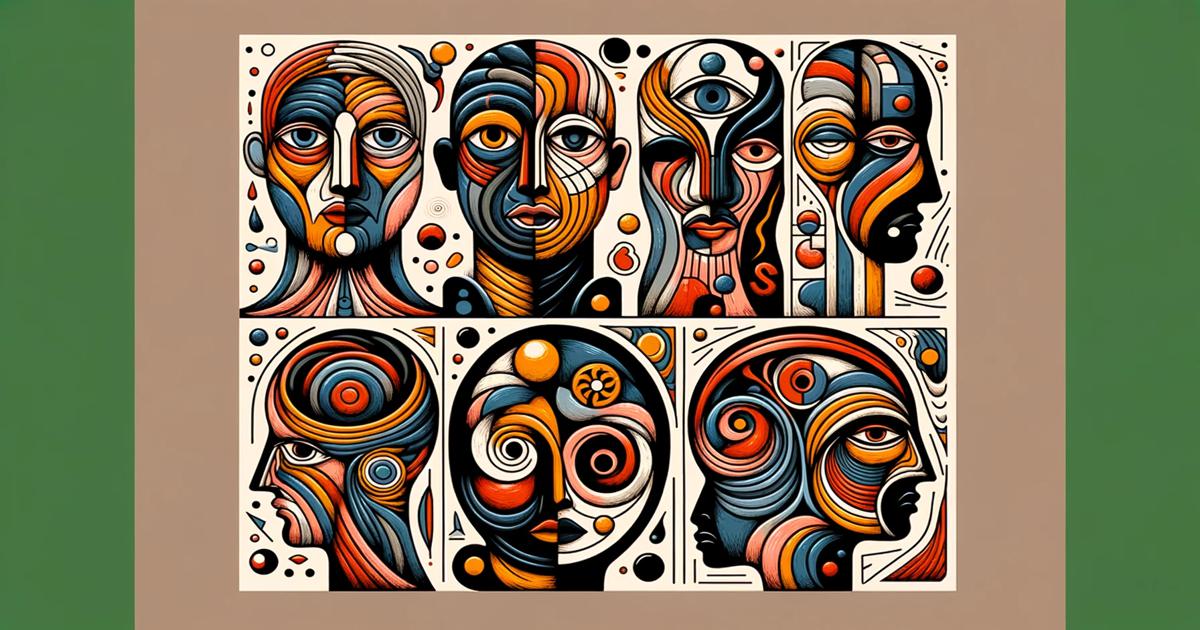
Philosophers, authors and scientists have been challenged since ancient times by the question as to what constitutes human personality. The physician Hippocrates (460 – 377 BC) developed one of the oldest personality models we know. He divided humans into
four different temperament types: sanguine, phlegmatic, choleric, and melancholic and attributed not only certain character traits but also the propensity for certain diseases to each of them. Obviously Hippocrates’ personality model has long been superseded, but even as of today researchers have been unable to agree on a common definition for what constitutes personality. Our personality can probably best be defined as a complex construction of our daily perceptions, thoughts and activities. Conversely our personality also influences our perception of the world, our way of thinking and acting.
Continue reading ...Tags: Hippocrates, Freud, Reiss, Cattell, Big Five, iPersonic, Jung, Myers-Briggs, MBTI
Our
free personality test is extrapolated from a typology which was originally developed by the psychoanalyst Carl Gustaf Jung and later differentiated by Isabel Meyers and Katherine Briggs. This typology is based on different temperaments and attitudes respectively that are widely held to be hereditary. They take influence on our perceptions, thought process, feelings and behavior. This typology is based on four opposite pairs of personality dimensions. These are:
Continue reading ...Tags: iPersonic, personality, Personality test, Typology